House hacking examples offer a clear path to reducing housing costs or even living rent-free. This strategy lets property owners generate income from their home while still living in it. Whether someone rents out a spare bedroom, buys a duplex, or lists a unit on Airbnb, house hacking turns a primary residence into an income-producing asset.
The concept isn’t new, but it’s gained serious traction among first-time homebuyers and real estate investors alike. With mortgage payments eating up 30% or more of most households’ income, house hacking provides a practical solution. This article breaks down several house hacking examples that real people use to offset their housing expenses and build wealth over time.
Table of Contents
ToggleKey Takeaways
- House hacking examples range from renting a spare bedroom to owning multi-family properties, all aimed at reducing or eliminating housing costs.
- Renting out a single room or basement can save homeowners $9,600 or more per year without requiring a new property purchase.
- Buying a duplex or triplex is a classic house hacking example that can generate positive cash flow while building equity in a larger asset.
- FHA loans make house hacking accessible to first-time buyers with just 3.5% down on properties with up to four units.
- Short-term rentals through Airbnb can generate 50% more income than traditional leases but require active management and compliance with local regulations.
- Always research local zoning laws, rental permits, and HOA rules before starting any house hacking strategy.
What Is House Hacking?
House hacking is a real estate strategy where homeowners offset their mortgage by renting out part of their property. The owner lives in one section while tenants pay rent for another. This arrangement can cover part or all of the mortgage payment.
The term became popular in the early 2010s through real estate investing communities. BiggerPockets, a real estate education platform, helped bring house hacking examples into mainstream conversation. Since then, thousands of homeowners have adopted the strategy.
Here’s how house hacking typically works:
- Buy a property with extra space or multiple units
- Live in one portion of the property
- Rent out the remaining space to tenants
- Use rental income to pay down the mortgage
House hacking examples vary widely based on property type and local market conditions. Some people rent a single room. Others purchase four-unit buildings and live in one apartment. The common thread is using rental income to reduce personal housing costs.
This strategy works especially well for first-time buyers. FHA loans allow purchases with just 3.5% down on properties with up to four units, as long as the buyer lives in one. That low barrier to entry makes house hacking accessible to people who couldn’t otherwise afford investment properties.
Renting Out a Spare Room or Basement
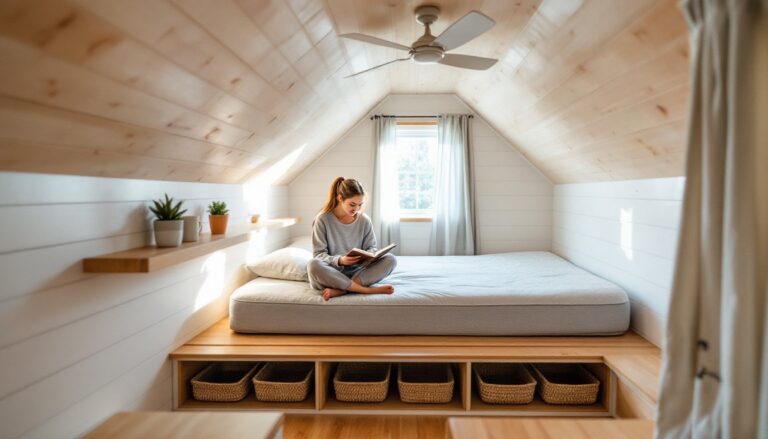
One of the simplest house hacking examples involves renting out unused space in a single-family home. A spare bedroom, finished basement, or converted garage can generate steady monthly income without requiring a major property purchase.
Consider a homeowner with a $2,000 monthly mortgage payment. Renting out a spare room for $800 per month cuts their effective housing cost to $1,200. Over a year, that’s $9,600 in savings, money that can go toward paying down principal, building an emergency fund, or investing elsewhere.
This house hacking example works well in college towns, cities with high rental demand, and areas near major employers. Travel nurses, graduate students, and young professionals often seek furnished rooms at reasonable rates.
Tips for Room Rentals
- Screen tenants carefully. Run background checks and verify income.
- Set clear house rules. Define expectations for guests, noise, and shared spaces.
- Create a written lease. Even informal arrangements need documentation.
- Check local laws. Some municipalities require rental permits or limit occupancy.
Basement apartments represent another popular house hacking example. A finished basement with a separate entrance can function as an independent living space. Depending on the market, basement units rent for $1,000 to $2,000 per month in many U.S. cities.
The key advantage here is accessibility. Homeowners don’t need to buy a new property. They can house hack with their current home, assuming local zoning allows it.
Buying a Duplex or Multi-Family Property
Purchasing a duplex or multi-family property represents the classic house hacking example. The owner lives in one unit and rents out the others. This strategy can eliminate housing costs entirely, or even generate positive cash flow.
Let’s run through a basic scenario. A buyer purchases a duplex for $400,000 with a 5% down payment ($20,000). Their monthly mortgage, taxes, and insurance total $2,800. They live in one unit and rent the other for $1,800 per month. Their effective housing cost drops to $1,000.
Now consider a triplex or fourplex. With multiple rental units, the math gets even better. Three tenants paying $1,200 each generate $3,600 in monthly income. If expenses total $3,200, the owner lives for free and pockets $400.
These house hacking examples require more upfront capital than room rentals, but they offer significant advantages:
- Building equity in a larger asset
- Learning landlord skills with training wheels
- Tax benefits including depreciation and expense deductions
- Appreciation potential on multi-unit properties
Multi-family house hacking also positions owners for future investing. After living in the property for a year or two, they can move out, rent all units, and repeat the process with a new owner-occupied purchase.
Markets matter here. Cities like Cleveland, Indianapolis, and Kansas City offer affordable duplexes and triplexes. Coastal markets may require larger down payments, but rental income also tends to be higher.
Short-Term Rental Strategies
Short-term rentals through platforms like Airbnb and Vrbo provide another set of house hacking examples. This approach typically generates higher per-night rates than traditional leases, though it requires more active management.
A homeowner might rent their entire home while traveling for work. Or they might list a guest suite year-round to tourists and business travelers. In popular destinations, short-term rental income can exceed long-term rental rates by 50% or more.
Here’s a house hacking example using short-term rentals: A homeowner in Nashville lists their basement apartment on Airbnb. The unit books 20 nights per month at $120 per night, generating $2,400 in gross income. After cleaning fees and platform costs, they net around $1,900, enough to cover most of a typical mortgage payment.
Short-term house hacking works best in these situations:
- Tourist destinations with consistent visitor traffic
- Cities with major events (conferences, festivals, sports)
- Near airports or business districts attracting corporate travelers
- Areas with favorable regulations that permit short-term rentals
The trade-off is effort. Short-term rentals require regular cleaning, guest communication, and listing optimization. Some house hackers hire property managers, while others handle everything themselves.
Regulations vary significantly by location. Some cities ban short-term rentals in residential zones. Others require permits, limit rental days per year, or mandate owner occupancy. Research local rules before pursuing this house hacking example.