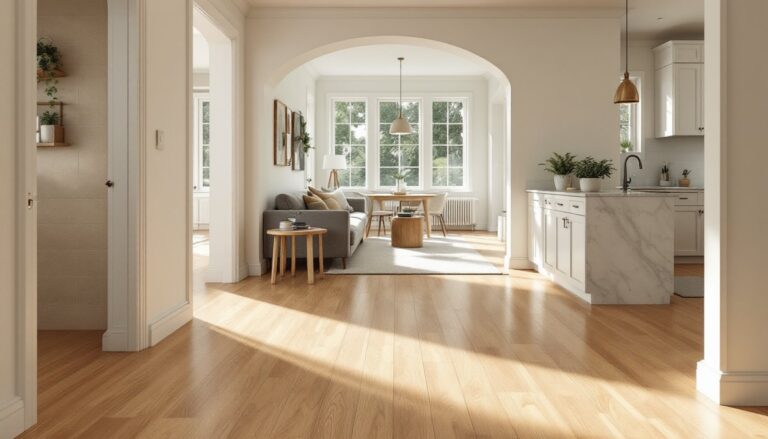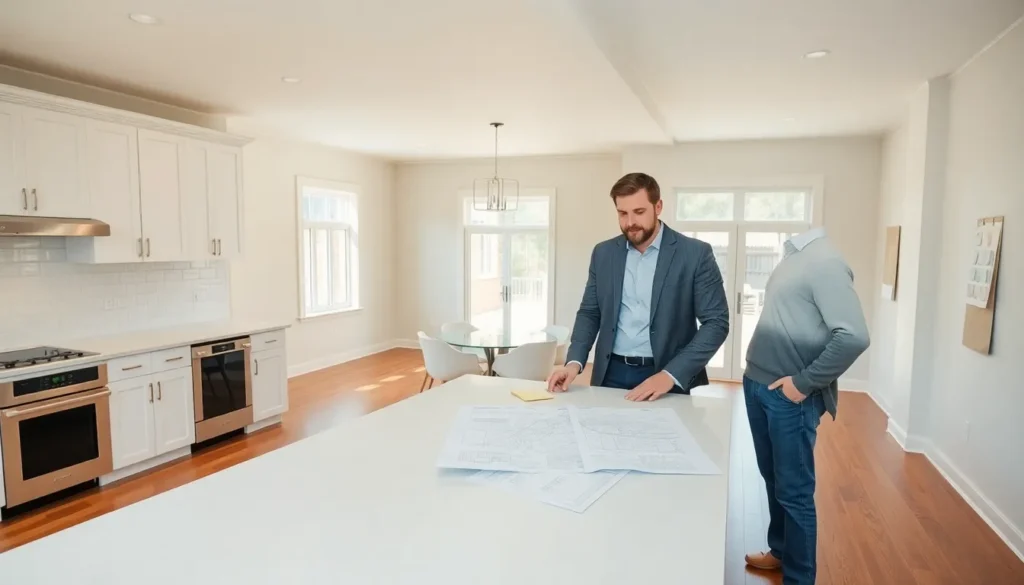
Home renovation ideas can turn a tired property into a dream living space. Whether someone wants to update a single room or overhaul an entire house, the right renovation project adds value, comfort, and style. Millions of homeowners tackle renovations each year, with U.S. spending on home improvements reaching over $500 billion annually. This guide covers what home renovation means, explores popular home renovation ideas for different budgets, and explains how to plan a successful project from start to finish.
Table of Contents
ToggleKey Takeaways
- Home renovation ideas range from budget-friendly updates like repainting cabinets to full-scale transformations costing $25,000 or more.
- Kitchen and bathroom renovations deliver the highest return on investment, making them smart priorities for homeowners.
- Always add 15-20% to your renovation budget as a contingency fund for unexpected expenses.
- Start any home renovation project by assessing your property’s current condition and defining clear goals.
- DIY projects work for minor updates, but hire licensed professionals for electrical, plumbing, or structural work.
- Proper planning—including permits, timelines, and contractor vetting—prevents costly delays and budget overruns.
Understanding Home Renovation
Home renovation refers to the process of improving, updating, or restoring an existing property. It differs from remodeling, which involves changing a space’s structure or layout. Renovations focus on repairs, cosmetic updates, and functional improvements without altering the original footprint.
Common home renovation projects include:
- Replacing flooring or countertops
- Painting walls and ceilings
- Upgrading fixtures and hardware
- Installing new windows or doors
- Refreshing landscaping and outdoor areas
Homeowners pursue renovations for several reasons. Some want to increase property value before selling. Others aim to fix wear and tear or update outdated designs. Energy efficiency improvements, like adding insulation or replacing old appliances, also fall under home renovation.
The scope of a renovation project varies widely. A minor renovation might involve repainting a bedroom and swapping out light fixtures. A major renovation could include gutting a kitchen, replacing all cabinets, and installing new flooring. Budget, timeline, and goals determine the project’s scale.
Understanding home renovation starts with assessing a property’s current condition. Homeowners should walk through each room and note what needs attention. Cracked tiles, peeling paint, and outdated fixtures signal areas ripe for improvement. This assessment helps prioritize projects and allocate resources effectively.
Popular Home Renovation Ideas for Every Budget
Home renovation ideas range from simple weekend projects to full-scale transformations. The key is matching the project to available funds and desired outcomes. Here are some popular options organized by space.
Kitchen and Bathroom Updates
Kitchens and bathrooms deliver the highest return on investment for home renovation. Even small changes make a big impact.
Budget-friendly kitchen ideas:
- Repaint cabinets instead of replacing them
- Install a new backsplash using peel-and-stick tiles
- Swap outdated hardware for modern pulls and knobs
- Add under-cabinet lighting for a fresh look
Mid-range kitchen renovations:
- Replace countertops with quartz or granite
- Upgrade to stainless steel appliances
- Install a farmhouse sink or modern faucet
- Add a kitchen island for extra workspace
Bathroom home renovation ideas:
- Replace the vanity and mirror
- Install a rainfall showerhead
- Add new tile flooring
- Update lighting fixtures
- Replace the toilet with a water-efficient model
A full kitchen renovation averages $25,000 to $75,000, while bathroom updates range from $3,000 to $25,000 depending on scope.
Living Spaces and Bedroom Upgrades
Living rooms and bedrooms benefit from home renovation ideas that boost comfort and style without very costly.
Living room improvements:
- Install hardwood or luxury vinyl plank flooring
- Add crown molding or wainscoting for character
- Build custom built-in shelving
- Replace dated ceiling fans with modern fixtures
- Paint an accent wall in a bold color
Bedroom renovation projects:
- Create a walk-in closet from an adjacent space
- Install recessed lighting
- Add a ceiling fan for airflow
- Replace carpet with hardwood
- Upgrade to energy-efficient windows
These home renovation ideas work for various budgets. Painting and minor fixture updates cost a few hundred dollars. Flooring replacement or custom carpentry runs several thousand. Homeowners should prioritize projects that address both function and aesthetics.
How to Plan Your Home Renovation Project
Successful home renovation requires solid planning. Rushing into a project without preparation leads to budget overruns, delays, and frustration. Follow these steps to plan effectively.
Step 1: Define Goals and Priorities
Start by listing what the renovation should accomplish. Does the homeowner want to increase resale value? Improve daily comfort? Fix safety issues? Clear goals guide every decision that follows.
Step 2: Set a Realistic Budget
Determine how much money is available for the project. Experts recommend adding 15-20% as a contingency fund for unexpected expenses. A home renovation budget should cover materials, labor, permits, and finishing touches.
Step 3: Research and Gather Inspiration
Browse home improvement websites, magazines, and social media for home renovation ideas. Create a folder of images showing desired styles, colors, and materials. This visual reference helps communicate vision to contractors.
Step 4: Hire the Right Professionals
Some renovations suit DIY approaches. Others require licensed contractors, electricians, or plumbers. Get at least three quotes for major work. Check references, reviews, and credentials before hiring.
Step 5: Create a Timeline
Map out the project phases with realistic deadlines. Account for material delivery times, permit approvals, and contractor availability. Most home renovation projects take longer than expected, so build in buffer time.
Step 6: Obtain Necessary Permits
Many renovations require building permits. Electrical work, plumbing changes, and structural modifications typically need approval. Check local regulations before starting work.
Step 7: Prepare the Space
Clear furniture, cover floors, and protect items from dust and debris. If the renovation affects daily living, arrange temporary alternatives. A kitchen renovation might mean setting up a temporary cooking station.
Following these planning steps helps homeowners execute their home renovation ideas smoothly. Good preparation reduces stress and keeps projects on track.