The best home renovation ideas combine style, function, and return on investment. Whether homeowners want to sell soon or plan to stay for decades, smart upgrades make daily life better and boost property value. From kitchen makeovers to outdoor living spaces, the right projects deliver results that last.
This guide covers six renovation categories that consistently pay off. Each section breaks down what works, what to expect, and where to focus the budget. No fluff, just practical ideas backed by real data.
Table of Contents
ToggleKey Takeaways
- The best home renovation ideas focus on kitchens and bathrooms, which consistently deliver the highest return on investment at resale.
- Minor kitchen updates like cabinet refacing, quartz countertops, and Energy Star appliances recover approximately 72% of costs when selling.
- Energy-efficient upgrades such as new windows, attic insulation, and heat pumps reduce monthly bills and attract eco-conscious buyers.
- Open floor plan conversions create spacious, light-filled interiors, but homeowners should weigh the tradeoffs of reduced privacy and sound control.
- Outdoor living spaces—including decks, patios, and outdoor kitchens—extend usable square footage without the high cost of building additions.
- Avoid over-customization; focus on timeless, functional improvements that appeal to a broad range of future buyers.
Kitchen Upgrades That Add Value
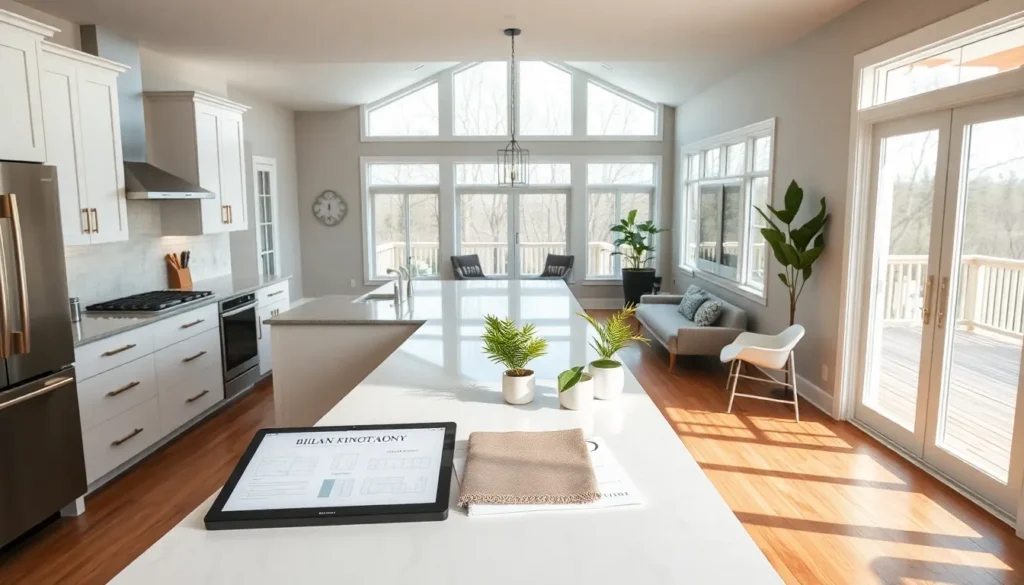
The kitchen remains the heart of most homes. It’s where families cook, gather, and spend significant time each day. That’s why kitchen renovations consistently rank among the best home renovation ideas for resale value.
A minor kitchen remodel, think cabinet refacing, new countertops, and updated appliances, recovers roughly 72% of its cost at resale, according to Remodeling Magazine’s Cost vs. Value report. Major overhauls can cost more but don’t always yield proportional returns.
Focus Areas for Maximum Impact
Countertops: Quartz has overtaken granite as the preferred material. It resists stains, requires no sealing, and comes in dozens of colors. Budget around $50–$100 per square foot installed.
Cabinets: Full replacement runs expensive. Instead, consider refacing existing cabinets or painting them. Fresh hardware, handles, pulls, hinges, costs little but changes the entire look.
Appliances: Stainless steel remains popular, but integrated panels that match cabinetry are gaining ground. Energy Star-rated appliances reduce utility bills and appeal to eco-conscious buyers.
Backsplash: Subway tile never goes out of style. For something bolder, geometric patterns or textured materials add personality without overwhelming the space.
Homeowners should avoid over-customizing. That built-in espresso machine might seem essential now, but future buyers may not share the same enthusiasm.
Bathroom Remodeling Projects Worth the Investment
Bathrooms rank second only to kitchens in renovation ROI. The best home renovation ideas here focus on functionality first, aesthetics second.
A midrange bathroom remodel costs around $25,000 on average and recoups about 67% at sale. But smaller updates, replacing fixtures, adding storage, improving lighting, often deliver better value per dollar spent.
High-Impact Bathroom Updates
Vanities: Floating vanities create the illusion of more floor space. Double sinks make mornings easier for couples. Storage drawers beat cabinet doors for accessibility.
Showers: Walk-in showers with frameless glass doors feel modern and spacious. Curbless designs improve accessibility and look sleek. Rainfall showerheads add a spa-like touch without major expense.
Lighting: Layered lighting works best. Combine overhead fixtures with sconces flanking the mirror. Dimmer switches let users adjust the mood.
Tile: Large-format tiles reduce grout lines and simplify cleaning. Heated floors sound luxurious but cost only $5–$8 per square foot for electric systems.
Fixtures: Matte black and brushed gold finishes have replaced chrome as the trending choices. Matching faucets, showerheads, and towel bars ties the room together.
One caution: avoid shrinking closet or bedroom space to expand bathrooms. Square footage matters to appraisers and buyers alike.
Open Floor Plan Conversions
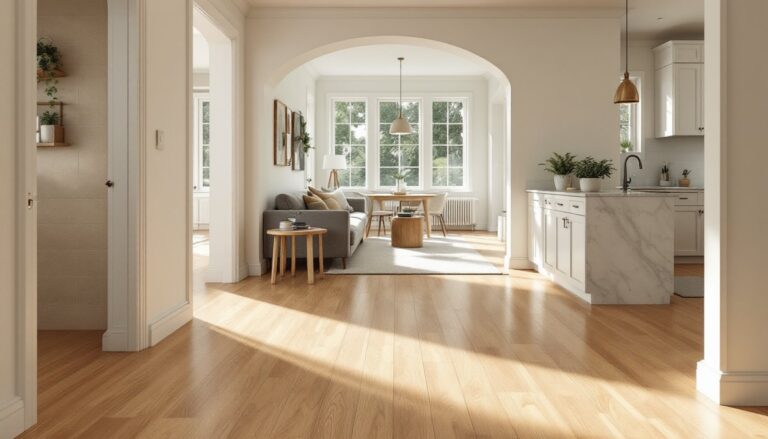
Walls came down in millions of homes over the past two decades. Open floor plans remain among the best home renovation ideas for creating spacious, light-filled interiors.
Removing a non-load-bearing wall typically costs $500–$2,000. Load-bearing walls require structural support, steel beams, additional columns, and can run $3,000–$10,000 or more. Always consult a structural engineer before swinging the sledgehammer.
Benefits of Open Layouts
Better sightlines let parents watch kids while cooking. Natural light flows deeper into the home. Entertaining becomes easier when guests move freely between spaces.
Potential Drawbacks
Open plans sacrifice privacy and sound control. Cooking smells travel everywhere. Clutter has nowhere to hide.
Smart Compromises
Partial walls: A half-wall or peninsula defines zones without blocking light.
Pocket doors: They tuck away when open but close for privacy when needed.
Ceiling treatments: Changing ceiling heights or adding beams visually separates areas.
Flooring transitions: Different materials or rug placement can define living, dining, and kitchen zones.
Before committing, homeowners should consider their lifestyle. Families who cook frequently might appreciate some separation between kitchen and living areas.
Energy-Efficient Home Improvements
Energy upgrades save money monthly and attract environmentally conscious buyers. They also rank among the best home renovation ideas for long-term value.
Windows and Doors
Old single-pane windows leak conditioned air. Replacing them with double or triple-pane, low-E coated windows cuts heating and cooling costs by 12%–33%, according to the U.S. Department of Energy. Quality windows last 20+ years.
Exterior doors with proper weatherstripping and insulated cores prevent drafts. Fiberglass outperforms wood for durability and energy efficiency.
Insulation
Attic insulation offers the best bang for the buck. Many older homes have insufficient coverage. Adding blown-in cellulose or fiberglass batts costs $1–$3 per square foot and pays back within a few years.
Spray foam insulation costs more but seals air leaks better. It works especially well in basements and crawl spaces.
HVAC Systems
Heating and cooling account for nearly half of home energy use. Modern heat pumps handle both functions efficiently, even in cold climates. Smart thermostats like Nest or Ecobee optimize schedules and save 10%–15% on bills.
Solar Panels
Solar installation costs have dropped 70% since 2010. Federal tax credits currently cover 30% of system costs. In sunny regions, panels pay for themselves in 6–10 years.
Outdoor Living Space Enhancements
Outdoor spaces extend usable square footage without the cost of building additions. They consistently appear on lists of the best home renovation ideas, and for good reason.
Decks and Patios
A wood deck costs $15–$25 per square foot. Composite decking runs higher at $20–$35 but requires less maintenance over time. Patios made from concrete, pavers, or flagstone offer durability and design flexibility.
Covered structures, pergolas, pavilions, or simple roof extensions, allow outdoor use in rain or intense sun. Adding ceiling fans extends comfort into hot summer months.
Outdoor Kitchens
Built-in grills, refrigerators, and sinks turn backyards into entertainment hubs. Basic setups start around $5,000. High-end versions with pizza ovens and full countertops can exceed $50,000.
Fire Features
Fire pits range from $300 portable models to $3,000+ custom stone installations. Outdoor fireplaces create focal points and extend the outdoor season into cooler months.
Landscaping
Mature trees increase property values by 10%–20%. Native plants require less water and maintenance. Defined pathways, outdoor lighting, and privacy hedges complete the package.
Fencing
Privacy fencing creates usable outdoor space in urban and suburban settings. Wood, vinyl, and composite options exist at various price points. Local codes often dictate height limits, so check before building.