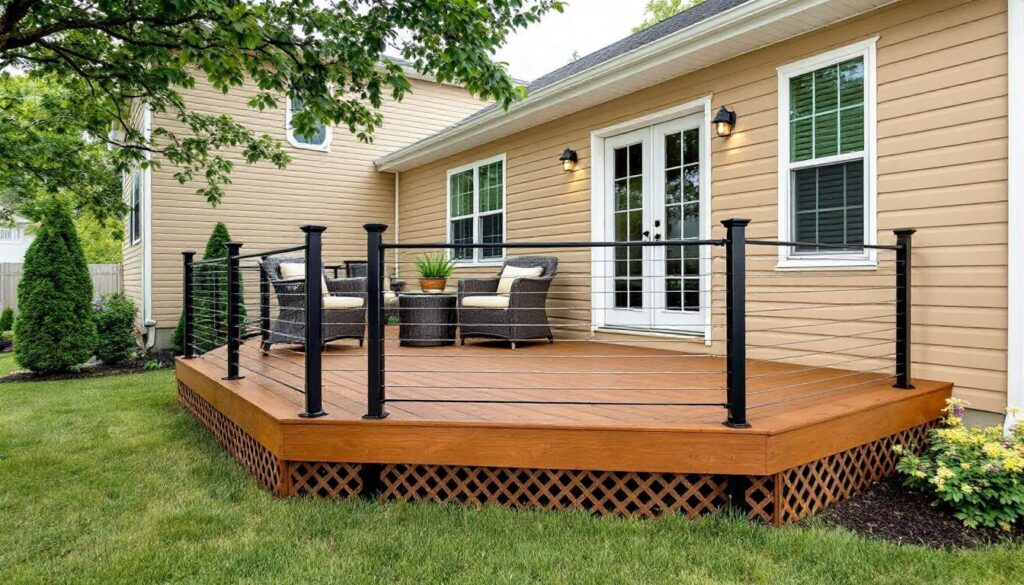
Choosing the right deck color for a tan house isn’t just about aesthetics, it’s about creating visual harmony between outdoor living spaces and the home’s exterior. A tan or beige facade offers flexibility since it’s a neutral backdrop, but the wrong deck color can make the entire property look washed out or disconnected. The right choice, on the other hand, adds depth, frames the architecture, and boosts resale value. Whether working with pressure-treated lumber, composite decking, or an existing structure in need of a refresh, homeowners have more options than ever in 2026, from transparent stains that showcase wood grain to opaque finishes that deliver bold contrast.
Table of Contents
ToggleKey Takeaways
- Deck color for tan houses should match undertone warmth or coolness—warm tan homes pair best with honey browns and russets, while cooler tans complement charcoal and slate gray finishes.
- The right deck color creates visual contrast without clashing, defining outdoor spaces and boosting resale value when chosen to harmonize with siding, trim, and architectural style.
- Semi-transparent stains offer the best balance for most homeowners, providing 2–3 years of durability while maintaining a natural wood look across all deck material types.
- Bold deck colors like black, navy, or deep green require solid stain or paint finishes and demand more frequent maintenance (recoating every 3–5 years), but deliver dramatic modern appeal for contemporary tan homes.
- Always test deck color samples on actual boards in natural lighting before committing, and apply stain in 50–90°F temperatures with two coats to ensure even coverage and lasting results.
Why Deck Color Matters for Your Tan Home’s Curb Appeal
A deck isn’t just a functional add-on: it’s an architectural extension that influences how the home reads from the street and the yard. For tan exteriors, which range from warm camel and sand to cooler taupe and greige, the deck either anchors the palette or disrupts it.
Visual weight is the first consideration. A deck that’s too light can blend into the siding and disappear, especially if the home lacks strong trim contrast. Too dark, and it can feel heavy or even shrink the perceived yard size. The goal is a tone that provides enough contrast to define spaces without clashing.
Undertones matter more than most homeowners expect. Tan houses with warm, yellow-based undertones pair best with decks in honey browns, russets, or warm grays. Cooler tans with gray or green undertones call for charcoal, slate, or weathered wood finishes. Mismatched undertones create a visual tension that feels off even if the homeowner can’t pinpoint why.
Finally, the deck’s finish, whether transparent, semi-transparent, semi-solid, or solid stain, affects how the color interacts with light throughout the day. Transparent stains let the wood’s natural hue dominate, while solid stains behave more like paint, offering precise color control. Composite decking comes pre-colored and doesn’t fade as quickly as stain, but it also can’t be refinished if tastes change.
Classic Deck Colors That Complement Tan Exteriors
Warm Brown and Natural Wood Tones
Warm browns and natural wood finishes remain the most popular choice for tan houses, and for good reason, they create a cohesive, earthy palette that feels grounded and timeless. Cedar, redwood, and pressure-treated pine all take stain differently, so test samples on actual deck boards before committing.
Cedar-tone stains in shades like honey, amber, or chestnut bring out the natural grain while adding richness. These work especially well with tan homes that have cream or off-white trim, as the contrast between light trim, tan siding, and medium-brown decking creates visual layers. Brands like Cabot and Behr offer semi-transparent options that let the wood texture show through while adding UV protection.
Redwood and mahogany stains lean deeper and redder, which pairs beautifully with warm tan exteriors that have brick or terracotta accents. These tones look particularly strong on two-story homes where the deck needs to hold its own against a large facade. Keep in mind that red-toned stains tend to fade faster in direct sun, so plan on reapplication every 2–3 years depending on exposure.
Natural weathered gray is technically a brown that’s oxidized over time. For homeowners who prefer low-maintenance aesthetics, skipping stain altogether and letting the wood silver naturally is an option, though it requires acceptance of uneven graying and potential warping. If that look appeals but durability is a concern, composite decking in driftwood or weathered-brown shades mimics the effect without the upkeep.
Cool Gray and Charcoal Options
Gray decking has surged in popularity over the past five years, and it’s a strong match for tan homes with cooler undertones or modern architectural styles. Gray offers contrast without the heaviness of dark brown, and it hides dirt and pollen better than lighter tones.
Light gray or silver stains work well with tan houses that have white or pale gray trim. The combination feels coastal and airy, especially when paired with stainless steel railings or cable rail systems. Light gray also reflects heat better than darker finishes, which matters in southern climates where deck surfaces can become uncomfortably hot underfoot.
Charcoal and slate gray provide bold, contemporary contrast. These shades make a tan house feel more modern and can visually anchor a home that otherwise lacks definition. Charcoal is a frequent choice for painted deck ideas that aim for drama and architectural punch. But, dark grays absorb more heat, so consider composite products rated for low heat retention if the deck gets full sun.
One caution: avoid pure cool gray on warm tan homes unless there are other cool-toned elements (stone, metal roofing, cool-gray shutters) to tie it together. Otherwise, the deck can look disconnected from the palette.
Bold and Modern Deck Color Choices for Tan Houses
For homeowners willing to step outside the safe zone, bold deck colors can redefine the entire aesthetic of a tan house, especially on newer builds or homes with contemporary trim and rooflines.
Black or near-black decking is a high-impact choice that works surprisingly well with tan exteriors, provided there’s enough contrast elsewhere, think white trim, black or bronze windows, or metal accents. Black composite boards create a sleek, modern look and pair especially well with minimalist landscaping and horizontal cable railings. The downside is heat absorption: black decking in full sun can reach surface temps of 160°F+, making it uncomfortable for bare feet and pets. Look for capped composite products with heat-mitigating technology if going this route.
Navy blue is an emerging trend for 2026, particularly in coastal or lakefront settings. A solid navy stain on a wood deck or a navy composite finish brings unexpected sophistication and pairs beautifully with tan homes that have white or cream trim. It’s bold without being harsh, and it weathers more gracefully than lighter blues. Ensure the home’s style can support the statement, navy works on Craftsman, Cape Cod, and modern farmhouse designs but can feel out of place on traditional colonials.
Deep green is another option worth considering, especially for wooded lots or homes with green roofing or shutters. Hunter green or forest green decking blends into natural surroundings while still offering definition against a tan facade. This choice is less common, which can be an asset for homeowners looking to stand out.
Bold colors typically require solid stain or paint rather than semi-transparent finishes. That means more prep work, more frequent maintenance, and the need to sand and recoat every 3–5 years depending on foot traffic and weather exposure.
How to Choose the Right Deck Stain or Paint Finish
Selecting a color is only half the equation, the finish type determines durability, maintenance, and how the color looks in different lighting.
Transparent stains are the thinnest option, penetrating the wood and highlighting the grain without adding much color. They’re ideal for high-quality cedar or redwood where the natural beauty is the selling point. But, they offer the least UV protection and typically need reapplication every 1–2 years. Not suitable for pressure-treated pine, which looks greenish-gray under transparent stain.
Semi-transparent stains add color while still letting the wood texture show through. They’re the sweet spot for most homeowners, offering more durability than transparent options (2–3 year lifespan) while maintaining a natural look. These work well across all wood types and are the go-to for homeowners who want a warm brown or weathered gray finish.
Semi-solid stains obscure more of the grain and deliver deeper, more uniform color. They last 3–4 years and are a good choice for older decks with uneven weathering or mixed board quality. Semi-solid stains can achieve richer browns and grays than semi-transparent formulas, but they start to look more like paint than stain.
Solid stains and paints provide full coverage and the longest lifespan (4–6 years), but they completely hide the wood grain. Solid finishes are necessary for bold colors like black, navy, or deep green. They’re also the best choice for heavily weathered or composite-look wood decks. But, they require more surface prep, sanding, priming (in some cases), and ensuring the wood is completely dry and clean before application.
For composite decking, color is baked in during manufacturing. Capped composite products resist fading better than uncapped versions, and most come with 25–30 year warranties. If the factory color doesn’t work, composite can be painted with specialized solid stains, though this voids most warranties.
Application tips: Always test stain on scrap boards or an inconspicuous area first. Wood species, age, and moisture content all affect final color. Apply in temperatures between 50°F and 90°F, avoid direct sun during application, and plan for two coats on horizontal surfaces. Use a pad applicator or sprayer for even coverage, brushes can leave streaks on semi-transparent stains.
When exploring different design approaches, many homeowners turn to resources like Home Bunch for inspiration on how deck color integrates with overall exterior palettes. Also, browsing through deck design galleries can help visualize how various finishes perform in real-world settings alongside tan siding.
Safety note: Wear nitrile gloves, safety glasses, and a respirator with organic vapor cartridges when applying oil-based stains. Work in well-ventilated areas and dispose of stain-soaked rags in water-filled metal containers to prevent spontaneous combustion.
Conclusion
The right deck color transforms a tan house from flat to dynamic, adding depth and intention to outdoor spaces. Whether opting for classic warm browns, modern grays, or bold statement hues, the key is matching undertones, considering maintenance realities, and choosing a finish that aligns with both the home’s architecture and the homeowner’s tolerance for upkeep. Test samples in actual conditions, prep surfaces thoroughly, and don’t skip the second coat, those details separate a deck that looks good for a season from one that holds up for years.