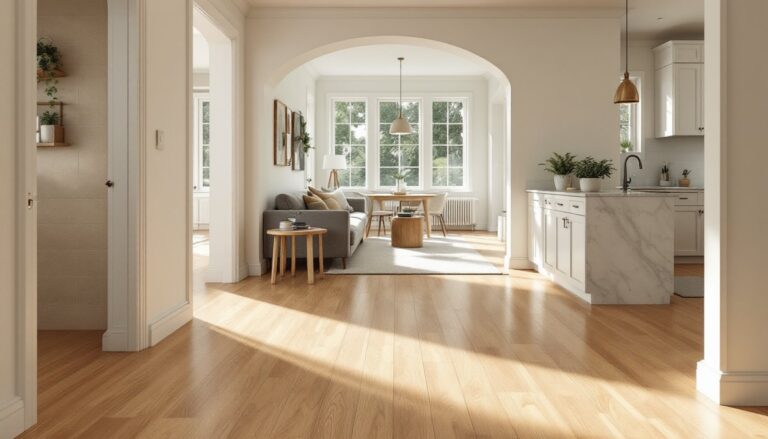
Home renovation ideas and strategies can transform any living space, whether the budget is $500 or $50,000. The key lies in knowing where to spend, where to save, and how to plan effectively. A successful renovation starts with clear goals and ends with a home that functions better and looks better. This guide covers practical renovation ideas and strategies that work across different budgets. From affordable updates that create visual impact to high-value projects that boost resale value, homeowners will find actionable advice here. Smart planning makes the difference between a renovation that stresses the budget and one that delivers real results.
Table of Contents
ToggleKey Takeaways
- Start every home renovation by defining clear goals, realistic budgets, and timelines to prevent scope creep and costly surprises.
- Budget-friendly home renovation ideas like fresh paint, hardware swaps, and lighting upgrades deliver high visual impact for under $1,000.
- Kitchen and bathroom remodels offer the best return on investment, recouping 70-80% of costs at resale.
- Always add a 15-20% contingency to your renovation budget to cover hidden issues like plumbing or electrical problems.
- Obtain proper permits for electrical, plumbing, and structural work to avoid insurance issues and complications during future home sales.
- Get multiple contractor bids and document all agreements in writing to protect your investment and stay on budget.
Setting Clear Goals Before You Begin
Every successful home renovation starts with defined goals. Homeowners should ask themselves three questions before picking up a paintbrush or calling a contractor:
- What problem needs solving? Maybe the kitchen lacks storage. Perhaps the bathroom feels cramped. Identifying specific pain points keeps the project focused.
- Who benefits from this renovation? If the goal is resale, different home renovation ideas apply than if the family plans to stay for twenty years. Buyers care about kitchens and bathrooms. Long-term residents might prioritize a finished basement or home office.
- What’s the realistic budget? This number shapes everything. A $5,000 budget calls for strategic updates. A $50,000 budget opens doors to structural changes.
Writing down these goals prevents scope creep, that common trap where a simple bathroom refresh turns into a full gut renovation. Clear goals also help homeowners communicate with contractors and make faster decisions during the project.
Some homeowners find it helpful to create a priority list. They rank each renovation idea from “must-have” to “nice-to-have.” When budget constraints appear (and they usually do), this list guides tough choices.
Goal-setting also involves timeline considerations. Rush jobs cost more. Homeowners who can wait for off-season scheduling often save 10-20% on labor costs. Winter months typically bring lower contractor rates for interior work.
Budget-Friendly Renovation Ideas That Make an Impact
Not every home renovation requires a second mortgage. Some of the most effective updates cost under $1,000 and take a weekend to complete.
Paint Changes Everything
A fresh coat of paint delivers the highest return on investment of any renovation. Neutral colors appeal to the broadest audience, but bold accent walls can define a room’s personality. Dark cabinets become modern with a coat of white or gray paint. Dated brass fixtures look current when spray-painted matte black.
Hardware Swaps
Replacing cabinet hardware, door handles, and light switch plates costs little but shifts the entire feel of a space. Brushed nickel and matte black finishes read as contemporary. This simple home renovation strategy takes hours, not days.
Lighting Upgrades
Swapping builder-grade fixtures for statement lighting transforms rooms instantly. A pendant light over a kitchen island or a modern chandelier in the dining room draws the eye upward. LED bulbs in warmer tones (2700K-3000K) make spaces feel inviting.
Flooring Fixes
Luxury vinyl plank flooring mimics hardwood at a fraction of the cost. It’s waterproof, durable, and often DIY-friendly. Refinishing existing hardwood floors costs less than replacement and can make dated wood look brand new.
Curb Appeal Updates
Painting the front door, adding house numbers, and updating outdoor lighting create strong first impressions. These home renovation ideas cost under $500 combined but dramatically improve a home’s exterior appearance.
Budget-conscious homeowners should focus on high-traffic, high-visibility areas. The kitchen, bathrooms, and entryway deserve priority over guest bedrooms or utility spaces.
High-Value Projects Worth the Investment
Some home renovation projects justify significant spending because they solve major problems or add substantial resale value.
Kitchen Remodels
The kitchen remains the heart of most homes. A mid-range kitchen renovation typically recoups 70-80% of its cost at resale. Key improvements include:
- Quartz or granite countertops
- Soft-close cabinet doors and drawers
- Energy-efficient appliances
- Improved lighting layouts
Homeowners don’t need to gut the entire space. Sometimes replacing countertops, painting cabinets, and upgrading appliances achieves 80% of the visual impact for 40% of the cost.
Bathroom Renovations
Bathrooms rank second only to kitchens for renovation ROI. Walk-in showers with glass enclosures appeal to modern buyers. Double vanities add practical value in primary bathrooms. Even small changes like new tile flooring and updated fixtures make significant differences.
Energy Efficiency Upgrades
New windows, added insulation, and HVAC system upgrades may lack glamour, but they reduce monthly bills and attract energy-conscious buyers. Many utility companies offer rebates that offset installation costs. These home renovation strategies pay dividends for years.
Outdoor Living Spaces
Decks, patios, and outdoor kitchens extend usable living space. A well-designed deck recoups approximately 65-75% of its cost. These projects also improve daily quality of life during warmer months.
Homeowners considering major projects should get multiple contractor bids. Price differences of 20-30% between qualified contractors aren’t unusual. Checking references and viewing completed work protects against costly mistakes.
Smart Planning Strategies for a Successful Renovation
Good planning separates smooth renovations from stressful disasters. These strategies help homeowners stay on track and on budget.
Build a Realistic Budget
Experienced renovators add 15-20% contingency to their budgets. Hidden problems appear once walls open up. Plumbing issues, electrical code violations, or water damage add unplanned costs. Having reserves prevents mid-project financial panic.
Create a Detailed Timeline
Every home renovation project needs a schedule. Homeowners should work backward from their target completion date. They must account for permit approval times, material lead times, and contractor availability. Custom cabinets often require 6-8 weeks for delivery. Specialty tiles may need ordering months in advance.
Handle Permits Properly
Skipping permits creates serious problems. Unpermitted work can void homeowner’s insurance, complicate future sales, and result in expensive corrections. Most electrical, plumbing, and structural work requires permits. Checking with local building departments prevents headaches.
Communicate Clearly with Contractors
Written contracts should specify materials, timelines, payment schedules, and change-order procedures. Homeowners should document everything in writing, even verbal agreements made during the project. Weekly check-ins keep everyone aligned on expectations.
Live Elsewhere When Possible
Major home renovation projects create dust, noise, and disruption. Families who can temporarily relocate, even to a family member’s home, report less stress and faster project completion. Contractors work more efficiently without working around residents.
Plan for the Unexpected
Delays happen. Materials arrive damaged. Contractors get sick. Successful renovators build flexibility into their schedules and maintain calm when plans change. The goal is a great result, not a perfect process.