Home renovation ideas are shifting fast as 2026 approaches. Homeowners want spaces that look great, work harder, and support their well-being. This year’s trends reflect a clear move toward sustainability, technology, and flexible living. Whether planning a full remodel or a few strategic upgrades, understanding these home renovation ideas will help anyone make smarter choices. From eco-friendly materials to wellness-focused design, here’s what’s shaping homes in 2026.
Table of Contents
ToggleKey Takeaways
- Home renovation ideas for 2026 prioritize sustainability, with recycled materials, bamboo flooring, and low-VOC paints leading eco-friendly upgrades.
- Smart home technology integration—from voice-controlled systems to energy management tools—makes daily living more convenient and cost-efficient.
- Multifunctional spaces like convertible home offices, garage conversions, and outdoor rooms maximize square footage for flexible living.
- Bold colors such as deep greens and warm terracottas replace all-white interiors, while natural textures add warmth and personality.
- Wellness-focused design elements, including natural light optimization, air filtration systems, and biophilic features, support physical and mental health.
- Investing in these 2026 home renovation trends can boost property value while creating healthier, more adaptable living spaces.
Sustainable and Eco-Friendly Materials
Sustainability drives many home renovation ideas in 2026. Homeowners increasingly choose materials that reduce environmental impact without sacrificing style.
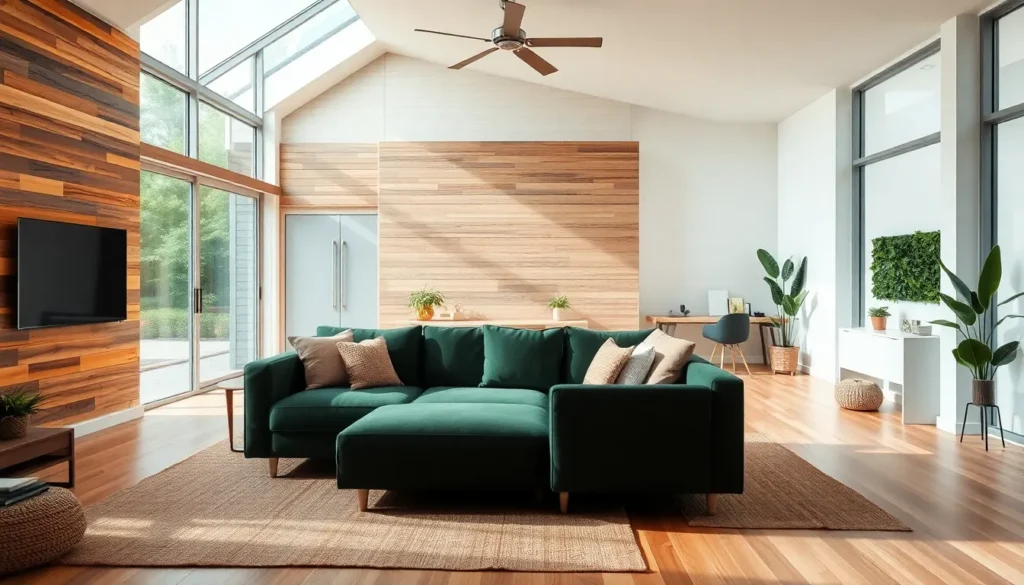
Recycled and reclaimed materials lead the charge. Reclaimed wood adds character to floors, accent walls, and cabinetry. Recycled glass countertops offer durability and a unique aesthetic. These options keep materials out of landfills while creating distinctive interiors.
Bamboo and cork continue gaining popularity. Both grow quickly and renew themselves, making them smart choices for flooring and wall coverings. Cork also provides natural sound insulation, a practical bonus for busy households.
Low-VOC paints and finishes have become standard. These products release fewer harmful chemicals into indoor air. They protect family health and the environment equally.
Energy-efficient insulation materials also deserve attention. Cellulose insulation made from recycled paper and spray foam options reduce heating and cooling costs. Many homeowners find these upgrades pay for themselves within a few years through lower utility bills.
The demand for locally sourced materials is rising too. Using stone, timber, or clay from nearby suppliers cuts transportation emissions. It also supports local economies and gives homes a sense of regional identity.
Smart Home Technology Integration
Smart technology ranks high among home renovation ideas for 2026. Integrated systems make daily life more convenient and efficient.
Voice-controlled assistants now manage lighting, climate, security, and entertainment from a single hub. Homeowners can adjust thermostats, lock doors, or dim lights without lifting a finger. These systems learn household patterns and optimize settings automatically.
Smart kitchens are evolving quickly. Refrigerators track food inventory and suggest recipes. Ovens preheat remotely through smartphone apps. Touchless faucets reduce water waste and improve hygiene.
Home security has become smarter and more accessible. Video doorbells, motion sensors, and smart locks provide real-time monitoring from anywhere. Many systems integrate with emergency services for faster response times.
Energy management technology helps homeowners track and reduce consumption. Smart plugs identify energy-hungry appliances. Solar panel monitoring systems optimize power generation and storage. These tools turn abstract utility bills into actionable data.
Whole-home automation now costs less than it did five years ago. Pre-wiring for smart systems during renovation makes future upgrades easier. Builders and contractors increasingly include smart-ready infrastructure as a standard feature.
Multifunctional Living Spaces
Flexibility defines the best home renovation ideas for 2026. Rooms that serve multiple purposes maximize square footage and adapt to changing needs.
Home offices remain essential. The remote work trend hasn’t slowed, and dedicated workspaces improve productivity. Built-in desks, soundproofing, and proper lighting transform spare rooms or corners into functional offices.
Convertible furniture plays a key role. Murphy beds fold into walls, freeing floor space during the day. Dining tables expand for gatherings and compress for daily use. Modular sofas rearrange for different activities.
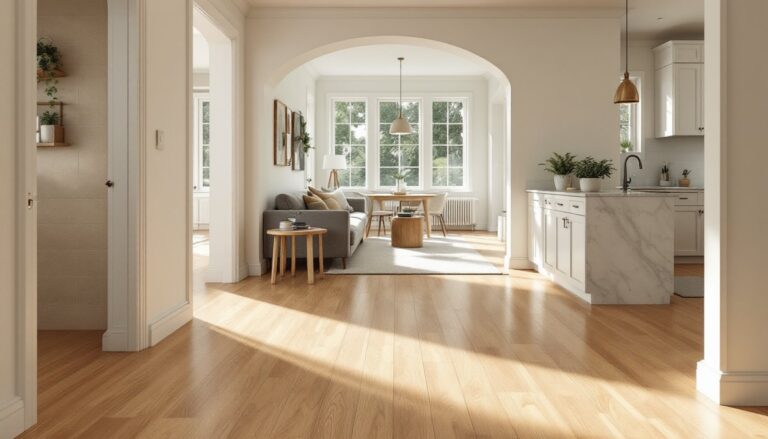
Open floor plans continue their popularity, but with thoughtful zoning. Room dividers, area rugs, and varied ceiling heights define spaces without permanent walls. This approach keeps homes feeling spacious while creating distinct functional areas.
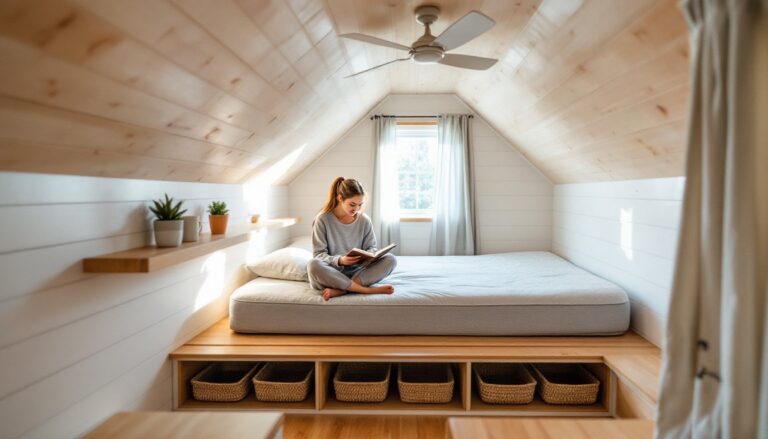
Garage conversions are gaining momentum. These spaces become gyms, studios, or guest suites. Proper insulation, flooring, and climate control transform underused storage into valuable living space.
Outdoor rooms extend usable square footage too. Covered patios with heating, lighting, and comfortable furniture function year-round. They blur the line between indoor and outdoor living, especially valuable in mild climates.
Bold Colors and Natural Textures
Color and texture choices define 2026’s most striking home renovation ideas. The all-white interior is fading. Homeowners want warmth, personality, and visual interest.
Deep greens, warm terracottas, and rich blues dominate paint palettes. These colors create mood and depth. They work especially well in bedrooms, dining rooms, and accent walls.
Natural textures bring organic warmth to interiors. Linen, wool, jute, and rattan appear in furniture, rugs, and window treatments. These materials add visual and tactile interest while connecting spaces to nature.
Stone and wood remain foundational elements. Exposed brick, natural stone backsplashes, and wood ceiling beams add architectural character. These features age beautifully and never look dated.
Mixing materials creates dynamic interiors. Metal light fixtures against wood walls. Concrete countertops beside warm wood cabinets. These contrasts prevent spaces from feeling flat or monotonous.
Textured wall treatments are returning too. Limewash paint creates subtle depth. Plaster finishes add old-world charm. These techniques give walls dimension that flat paint can’t achieve.
Wellness-Focused Design Elements
Health and comfort inspire many home renovation ideas in 2026. Design choices now prioritize physical and mental well-being.
Natural light optimization tops the list. Larger windows, skylights, and light tubes bring sunlight deeper into homes. Proper light exposure improves sleep, mood, and energy levels.
Air quality improvements matter more than ever. Whole-home air filtration systems remove allergens, dust, and pollutants. Plants integrated into design, sometimes in living walls, naturally purify air and reduce stress.
Bathrooms are becoming spa-like retreats. Steam showers, soaking tubs, and heated floors turn daily routines into restorative experiences. Proper ventilation prevents mold and maintains healthy air.
Biophilic design connects interiors to nature. This approach incorporates plants, natural materials, water features, and views of greenery. Research shows these elements reduce stress and improve cognitive function.
Dedicated fitness spaces support active lifestyles. Even small homes can include yoga corners or compact gym areas. Mirror walls, rubber flooring, and proper ventilation create effective workout spaces.
Circadian lighting systems mimic natural daylight patterns. They shift color temperature throughout the day, bright and cool in the morning, warm and dim in the evening. This technology supports natural sleep cycles and overall health.