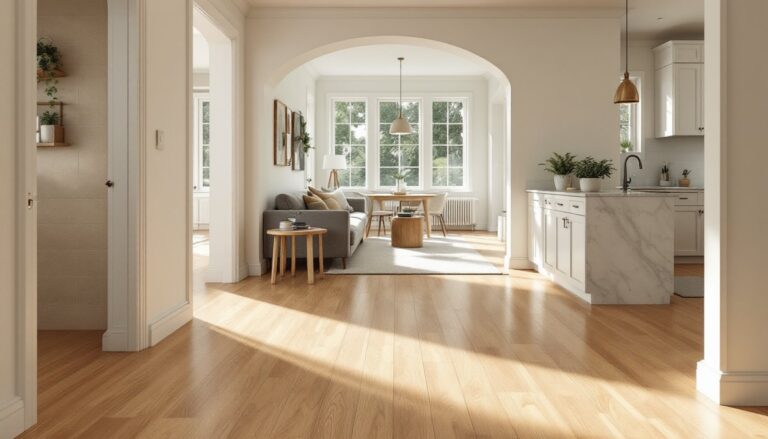
Home renovation ideas vs. home remodeling projects represent two distinct paths for improving a property. Homeowners often confuse these terms, but understanding the difference saves time, money, and frustration. Renovation focuses on restoring and updating existing features. Remodeling changes the structure or layout of a space entirely. This guide breaks down both approaches, helping readers decide which option fits their goals, budget, and timeline.
Table of Contents
ToggleKey Takeaways
- Home renovation ideas focus on updating existing features like paint, flooring, and fixtures without changing the structure or layout.
- Remodeling involves structural changes such as removing walls, adding rooms, or relocating plumbing and electrical systems.
- Renovation projects typically cost less and take weeks, while remodeling can stretch into months and cost two to three times more.
- Choose renovation if your current layout works but finishes feel dated; choose remodeling if the space no longer meets your family’s needs.
- Always add a 15-20% contingency to remodeling budgets since opening walls often reveals unexpected issues like outdated wiring or water damage.
- Smart renovations often deliver better ROI than major remodels, especially if you plan to sell within a few years.
What Is Home Renovation?
Home renovation refers to restoring or updating a space without changing its structure. Think of it as giving a room a facelift rather than a complete transformation.
Common home renovation ideas include:
- Repainting walls and ceilings
- Replacing old flooring with new materials
- Updating kitchen cabinets or countertops
- Installing new fixtures in bathrooms
- Refinishing hardwood floors
- Adding fresh landscaping to improve curb appeal
Renovation projects typically preserve the existing footprint of a home. A homeowner might update a dated bathroom by replacing the vanity, adding new tiles, and installing modern lighting. The room stays the same size and shape, but it looks and functions better.
These projects often cost less than full remodels because they don’t require structural changes. They also tend to move faster. A kitchen renovation with new paint, hardware, and appliances might take a few weeks. The same space completely remodeled could take months.
Renovation works best when the current layout suits the homeowner’s needs. If someone loves their kitchen’s size but hates the outdated cabinets, renovation makes sense.
What Is Home Remodeling?
Home remodeling goes further than renovation. It involves changing the structure, layout, or purpose of a space. Remodeling creates something new rather than simply refreshing what exists.
Examples of remodeling projects include:
- Knocking down walls to create an open floor plan
- Adding a bathroom where one didn’t exist
- Converting a garage into a living space
- Building a room addition
- Moving plumbing or electrical systems to new locations
- Changing the roofline or adding a second story
Remodeling requires more planning, permits, and professional involvement. Contractors, architects, and engineers often participate in these projects. The work affects a home’s bones, its walls, plumbing, electrical systems, and sometimes its foundation.
A homeowner wanting to combine a small kitchen with an adjacent dining room would need a remodel. This project involves removing walls, possibly relocating electrical outlets, and redesigning the entire space.
Remodeling suits homeowners who feel limited by their current layout. When a space doesn’t work for a family’s needs, no matter how nice the finishes, remodeling offers a solution.
Key Differences Between Renovation and Remodeling
Understanding home renovation ideas vs. remodeling comes down to scope and intent.
Structural Changes
Renovation keeps walls where they are. Remodeling moves them, removes them, or adds new ones. This distinction affects permits, costs, and timelines.
Cost Range
Renovations typically cost less. Updating a bathroom might run $5,000 to $15,000. Remodeling that same bathroom, moving fixtures, expanding the space, could cost $25,000 to $50,000 or more.
Timeline
Renovation projects often finish in days or weeks. Remodeling can stretch into months. Structural work requires inspections, and unexpected issues frequently add time.
Professional Involvement
Many renovations suit DIY enthusiasts or require just one contractor. Remodeling usually demands a team: architects, engineers, electricians, plumbers, and general contractors.
Permits and Approvals
Painting a room needs no permit. Moving a load-bearing wall absolutely does. Remodeling projects almost always require local building department approval.
Return on Investment
Both can add value to a home. But, over-remodeling for a neighborhood can hurt resale value. Smart renovations often provide better ROI because they cost less upfront.
How to Choose the Right Approach for Your Project
Choosing between home renovation ideas vs. remodeling depends on several factors. Homeowners should ask themselves a few key questions.
Does the current layout work?
If the answer is yes, renovation probably fits the situation. Dated finishes don’t require structural changes. New paint, flooring, and fixtures can transform a space.
If the layout frustrates daily life, a cramped kitchen, no master bathroom, poor flow between rooms, remodeling addresses those issues.
What’s the budget?
Limited funds often point toward renovation. Getting quotes for both options helps homeowners understand real costs before committing.
How long can the project take?
Families living in their homes during construction need realistic timelines. Renovation causes less disruption. Remodeling might require temporary relocation, especially for kitchen or bathroom projects.
What are the long-term plans?
Homeowners planning to sell within two years might prefer renovations with proven ROI. Those staying for decades might invest in remodeling that matches their lifestyle perfectly.
What do local regulations allow?
Some municipalities restrict major structural changes, particularly in historic districts. Checking local codes early prevents wasted planning time.
Budget Considerations for Each Option
Money matters in every home improvement decision. Home renovation ideas vs. remodeling projects carry very different price tags.
Renovation Budgets
Renovation costs vary by scope. A fresh coat of paint throughout a home might cost $2,000 to $5,000. Replacing all flooring could run $8,000 to $20,000 depending on materials. Kitchen renovations, new counters, cabinets, and appliances without layout changes, often fall between $15,000 and $40,000.
Remodeling Budgets
Remodeling costs climb quickly. A full kitchen remodel averages $50,000 to $100,000 nationally. Bathroom remodels typically range from $20,000 to $60,000. Adding a room can cost $80,000 to $200,000 or more.
Hidden Costs to Consider
Remodeling often reveals surprises. Opening walls might expose outdated wiring, water damage, or insufficient insulation. Smart homeowners add 15-20% contingency to remodeling budgets.
Renovation surprises tend to be smaller. Removing old flooring might reveal subfloor damage, but these fixes usually cost less than structural discoveries.
Financing Options
Home equity loans, HELOCs, and personal loans can fund both renovation and remodeling. Some contractors offer payment plans. Understanding financing costs helps homeowners calculate true project expenses.