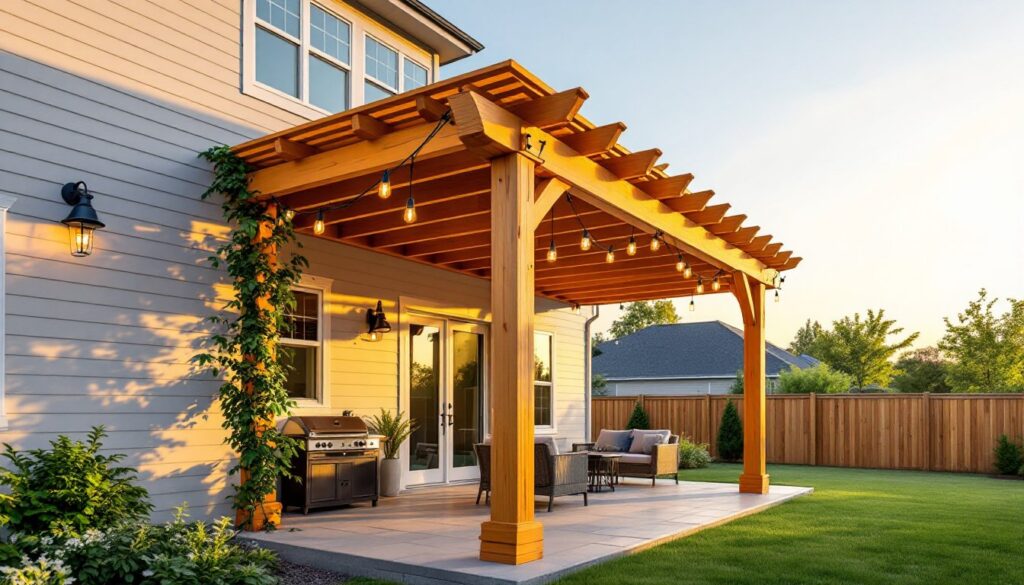
Attaching a pergola to your house isn’t just about adding shade, it’s about extending livable square footage without the cost and complexity of a full room addition. A well-designed attached pergola creates a seamless transition between indoor and outdoor spaces, boosting curb appeal and potentially adding 5-10% to resale value depending on market and execution. Whether you’re working with a ranch-style home or a contemporary two-story, the right pergola design can complement your architecture while delivering practical benefits like UV protection and defined outdoor zones.
Table of Contents
ToggleKey Takeaways
- An attached pergola to your house extends livable outdoor space and can add 5-10% to resale value while maintaining curb appeal and architectural harmony.
- Proper flashing and ledger board installation are critical to prevent water damage and structural failure—the most common pergola attachment mistakes.
- Metal and aluminum pergolas offer low-maintenance, modern aesthetics with integrated gutter options, while timber designs in cedar or redwood suit traditional homes but require periodic staining.
- Roofing upgrades from polycarbonate panels to retractable canopies and louvered systems transform basic pergolas into year-round outdoor rooms with weather protection.
- DIY pergola attachment can save 40-60% versus hiring contractors by using pressure-treated lumber, renting specialty tools, and simplifying decorative details without compromising structural integrity.
Why Attach a Pergola to Your House?
Attaching a pergola directly to your home’s structure offers several advantages over freestanding designs. First, it leverages your existing wall as one anchor point, reducing material costs and simplifying the foundation work. You’ll need a ledger board, typically a 2×8 or 2×10 pressure-treated lumber, bolted through the exterior sheathing into the rim joist or wall studs with lag screws or structural bolts.
From a practical standpoint, an attached pergola extends your roof line visually, creating a natural covered path from your back door to the yard. This is especially useful in climates with frequent afternoon sun or light rain. The connection point also allows you to tie into existing electrical if you’re planning overhead lighting or ceiling fans, though you’ll need a permit for any electrical work and should consult a licensed electrician.
One critical consideration: flashing. Improper ledger attachment causes most pergola failures and water damage. Install metal flashing over the ledger board and behind your siding to direct water away from the house. If your home has vinyl siding, you’ll need to remove a strip where the ledger mounts to ensure proper contact with the sheathing. This isn’t cosmetic, it’s structural integrity and moisture protection rolled into one step.
Classic Timber Pergola Designs for Traditional Homes
For homes with traditional architecture, Craftsman, Colonial, Cape Cod, a timber pergola in cedar, redwood, or pressure-treated pine fits naturally. Cedar and redwood offer natural rot resistance and weather to a silver-gray patina if left untreated, while pressure-treated lumber requires less upfront investment but benefits from staining every 2-3 years.
Standard timber pergola dimensions use 4×4 posts (actual size 3.5″ x 3.5″) set 8-10 feet apart, with 2×8 or 2×10 beams spanning between them and 2×6 rafters laid perpendicular at 16″ or 24″ on center. For an 12×16-foot attached pergola, expect to use roughly 200-250 board feet of lumber, plus hardware.
Decorative touches that suit traditional homes include:
- Notched rafter tails with curved or angled cuts at the ends
- Corbels or knee braces at post-to-beam connections for visual weight and lateral support
- Lattice infill panels on one or both sides for partial privacy and climbing plant support
Many homeowners find inspiration from cantilevered pergola styles that extend from the house without front posts for an open, airy feel. This requires engineered beams or steel reinforcement and typically needs a building permit due to the cantilevered load. Consult local building codes: most jurisdictions require pergolas over 200 square feet or attached structures to undergo plan review.
Modern Metal and Aluminum Pergola Ideas
Aluminum and powder-coated steel pergolas suit contemporary, modern farmhouse, and mid-century homes. These materials resist rot, insects, and warping, and they require virtually no maintenance beyond occasional washing. Aluminum pergola kits are widely available in modular sizes (10×10, 12×12, 12×16) with pre-drilled components and include mounting hardware for ledger attachment.
Metal pergolas often feature square or rectangular tubing (4×4″ or 3×6″) rather than traditional timber profiles, giving clean lines and a minimalist aesthetic. Powder coating comes in dozens of colors, matte black, bronze, white, and gray are current favorites, and holds up better than paint in UV exposure.
One design advantage: metal pergolas can incorporate integrated gutters within the beam structure, channeling rain to downspouts and keeping the patio dry. This is a smart upgrade if the pergola will cover an outdoor kitchen or seating area with cushions.
Installation tip: Metal ledger boards require different fasteners than wood. Use stainless steel or galvanized lag shields or wedge anchors when attaching to masonry or concrete block, and always predrill to avoid splitting wood framing. If attaching to brick veneer, your fasteners must penetrate through the veneer and into the wood or steel framing behind it, surface-mounting to brick alone won’t meet structural requirements.
Pergola Roofing Options: From Open Slats to Retractable Canopies
The “roof” of a pergola defines how much sun and rain protection you’ll get. Traditional open-slat designs with 2×6 rafters spaced 12-16″ apart provide roughly 50-60% shade coverage, ideal for dappled light and airflow but not rain protection.
For more weather control, consider these roofing upgrades:
- Polycarbonate panels: Corrugated or multi-wall sheets in clear or bronze tint block UV and shed rain while allowing light through. They’re lightweight, install with roofing screws and foam closure strips, and cost $2-4 per square foot.
- Retractable fabric canopies: Motorized or manual systems with UV-resistant fabric (Sunbrella is a common choice) let you adjust shade on demand. Expect $800-2,500 depending on size and motor option.
- Louvered roofs: Adjustable aluminum slats that pivot open or closed, offering full sun, partial shade, or complete rain coverage. These are premium systems ($4,000-10,000+) but deliver year-round usability.
- Lattice topper with shade cloth: A budget-friendly option. Attach 4×8 sheets of vinyl or wood lattice over rafters, then drape shade cloth (available in 30%, 50%, 70%, or 90% coverage) and secure with zip ties or staples.
Regardless of roofing type, pitch matters. If you’re adding solid or semi-solid roofing, slope the pergola at least 1/4″ per foot away from the house to ensure proper drainage. This usually means setting the outer beam posts 3-6″ lower than the ledger attachment point.
Enhancing Your Attached Pergola with Lighting and Greenery
Once the structure is up, lighting and plants turn a basic pergola into an outdoor room. For lighting, low-voltage LED systems are DIY-friendly and energy-efficient. Run 12V or 24V cable through conduit along the ledger board or inside hollow aluminum beams, then mount:
- String lights or cafe lights: Suspended between rafters for soft ambient glow
- Recessed downlights: Installed in the underside of beams to highlight seating areas without glare
- Uplights at post bases: Wash light up the structure for dramatic evening effect
If tying into household AC power, hire a licensed electrician and pull a permit. Outdoor electrical work must meet NEC Article 210 requirements for GFCI protection and weatherproof boxes.
For greenery, climbing vines soften the structure and add seasonal color. Top performers for attached pergolas include:
- Wisteria: Fragrant spring blooms, vigorous growth (requires annual pruning)
- Climbing roses: Classic look, needs full sun and regular deadheading
- Clematis: Wide variety of colors, pairs well with roses
- Grape vines: Edible fruit, dense summer shade, deciduous (sun in winter)
Plant vines 12-18″ away from posts in well-draining soil amended with compost. Use galvanized wire or jute twine to guide initial growth up posts: once established, most climbers will grip the structure on their own. Be mindful that heavy, mature vines add weight and wind load, factor this into your design if you live in a high-wind area.
Budget-Friendly DIY Pergola Attachment Tips
Building an attached pergola yourself can save 40-60% compared to hiring a contractor, but only if you avoid common mistakes that lead to rework or structural issues. Here’s how to keep costs down without cutting corners:
Use pressure-treated lumber for structural members. It’s half the price of cedar and just as strong. Save cedar or composite for visible trim and decorative elements where aesthetics matter.
Anchor posts with concrete footings below frost line. In most of the U.S., that’s 24-48″ deep. Dig with a post-hole digger or rent a power auger ($40-70/day). Set 4×4 posts in 10-12″ diameter holes, plumb them with a level, then fill with fast-setting concrete mix (50-lb bags, ~$5 each). You’ll need 2-3 bags per post.
Rent specialty tools instead of buying. A compound miter saw ($35-50/day) gives cleaner cuts than a circular saw for angled rafter tails. A laser level ($25-40/day) makes ledger board installation faster and more accurate.
Buy hardware in bulk. Structural screws, joist hangers, and post bases add up fast at big-box retail prices. Order from online suppliers like home improvement retailers or local lumberyards for 15-25% savings on fasteners.
Simplify the design. Straight-cut rafter tails and simple post caps look clean and take half the time of decorative profiles. You can always add corbels or lattice panels later as budget allows.
One safety note: always wear PPE, safety glasses, work gloves, and ear protection when cutting. And if you’re working above 6 feet on a ladder, have a helper steady it or use a stable work platform.
Conclusion
An attached pergola is one of the highest-return outdoor projects a DIYer can tackle, blending function, aesthetics, and expanded living space. Whether you go with classic timber, sleek metal, or a hybrid design, the key is proper ledger attachment, code-compliant footings, and weatherproofing details that protect your home’s structure. Start with a solid plan, take the time for accurate layout and level installation, and you’ll have an outdoor feature that performs well for decades.