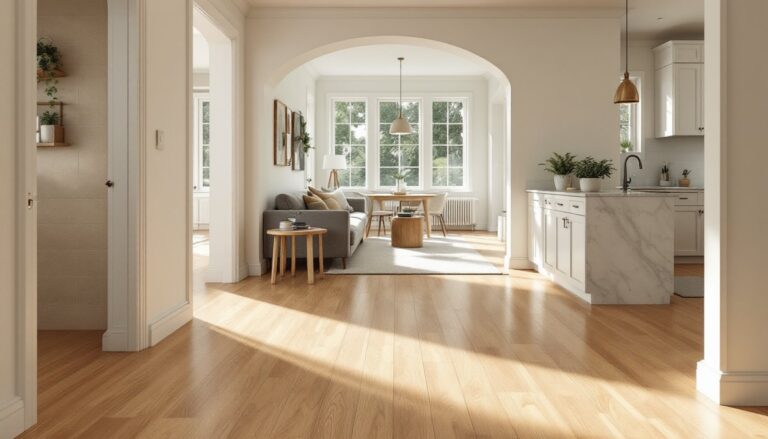
Tiny house living isn’t just about downsizing, it’s about designing smarter. Every square foot needs to earn its keep, and that means rethinking how storage, furniture, and layout work together. The difference between a cramped space and a functional home comes down to intentional choices: the right shelving, a Murphy bed that actually stays put, or a kitchen galley narrow enough to reach both counters without stepping. This guide walks through proven interior design strategies that make tiny houses livable, not just cute. No fluff, just practical ideas that work in homes under 400 square feet.
Table of Contents
ToggleKey Takeaways
- Vertical storage, including floor-to-ceiling shelving and staircase drawers, maximizes space in tiny houses by leveraging wall height instead of floor footprint.
- Multi-functional furniture like Murphy beds with gas pistons, sofa beds with steel frames, and extendable dining tables are essential for tiny house living to serve multiple purposes in limited square footage.
- Galley kitchens with the sink and stove positioned 48 inches apart, paired with apartment-size appliances and pull-out pantry cabinets, create the most efficient kitchen design for tiny houses.
- Sleeping lofts with a minimum 3-foot-6-inch ceiling height and stairs doubling as storage offer the most practical bedroom solution, while maintaining code-compliant railings and clear sightlines.
- Light colors, satin finishes, mirrors, and strategic LED lighting make tiny house interiors feel significantly larger without requiring structural changes.
- Every design choice in tiny house ideas should prioritize function over decoration—choosing meaningful pieces and intentional layouts ensures the space remains livable and uncluttered.
Smart Storage Solutions That Double Your Space
Vertical storage is the backbone of tiny house organization. Floor-to-ceiling shelving uses the full wall height, which matters when you’re working with 8- to 10-foot ceilings. Install open shelves in the kitchen for dishes and pantry items, and use closed cabinets in living areas to hide clutter.
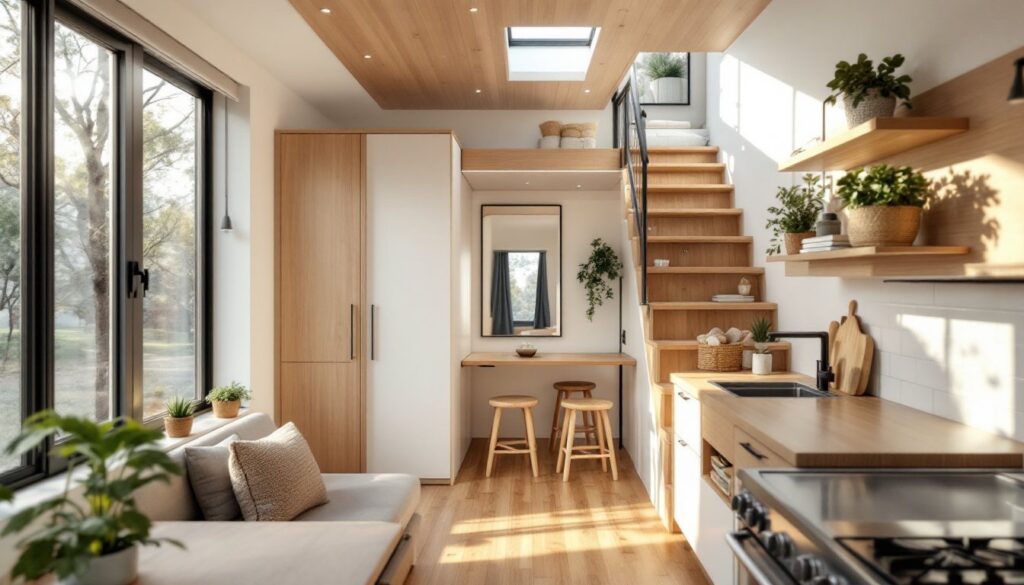
Staircase storage is non-negotiable if the house has a sleeping loft. Each tread can be a drawer, with the riser acting as the drawer front. Build them at least 10 inches deep to hold shoes, linens, or tools. Attach full-extension drawer slides rated for 100 pounds to handle heavy loads without sagging.
Under-floor storage works in spaces with raised platforms or lofts. Cut access panels into the floor deck (usually ¾-inch plywood or OSB) and frame the opening with 2x4s to maintain structural integrity. Use this space for seasonal items, luggage, or anything that doesn’t need daily access.
Wall-mounted fold-down desks and drop-leaf tables clear floor space when not in use. Mount brackets rated for the desk’s weight plus 50 pounds to account for leaning. A 24-inch-deep desk provides enough workspace without dominating the room when lowered.
Consider adding pegboards or slat walls in entryways or kitchens. They’re modular, reusable, and let you adjust storage as needs change. Use metal pegboard hooks for heavier items like cast iron pans or tool belts.
Multi-Functional Furniture for Tiny Living
Murphy beds are the gold standard for reclaiming floor space. Look for models with gas pistons or spring mechanisms rated for at least 1,500 cycles, cheap hardware fails fast. A queen-size Murphy bed requires a minimum of 92 inches of wall width and at least 24 inches of depth when closed. Some units include built-in shelving or fold-down desks on the sides.
Sofa beds and futons work if the house doesn’t have a loft, but quality varies wildly. A proper sofa bed should have a steel frame, innerspring mattress (not just foam), and a mechanism that doesn’t require moving the couch away from the wall. Budget around $800–$1,500 for something that won’t sag after six months.
Extendable dining tables are essential. A table that seats two can expand to seat four or six when needed. Look for models with butterfly leaves or drop-in extensions that store inside the table base. Many creative small space furniture hacks turn basic pieces into custom solutions for tight quarters.
Storage ottomans and bench seating with lift-up lids add hidden storage without sacrificing seating. Use them to store blankets, books, or off-season clothing. Make sure the lid has soft-close hinges to prevent slamming and pinched fingers.
Nesting tables and stackable stools tuck away when not needed. Keep three or four on hand for guests, then stack them in a closet or under a loft.
Kitchen Design Ideas That Pack Maximum Function
Galley kitchens are the most space-efficient layout. Position the sink and stove on opposite walls, no more than 48 inches apart, so the cook can pivot between tasks. This setup minimizes wasted steps and maximizes counter space.
Apartment-size appliances save critical square footage. A 24-inch range instead of a 30-inch model frees up 6 inches for storage. Countertop convection ovens and two-burner induction cooktops work for households that don’t cook large meals. An 18-inch dishwasher fits under the counter and handles daily dish loads for one or two people.
Open shelving instead of upper cabinets makes the kitchen feel larger and keeps everyday items within reach. Install shelves at 18 to 20 inches above the counter, deep enough for dinner plates (10 to 12 inches). Use S-hooks on a rail beneath the shelves to hang mugs or utensils.
Pull-out pantry cabinets fit in spaces as narrow as 6 inches. These tall, slim units slide out to reveal multiple shelves for canned goods, spices, and dry ingredients. Mount them on full-extension slides so the entire cabinet is accessible.
Magnetic knife strips, wall-mounted spice racks, and under-cabinet hooks keep counters clear. Every vertical inch counts. For more ideas on maximizing tight spaces, explore home renovation ideas that apply to full-size kitchens and tiny ones alike.
Install a single-basin sink at least 9 inches deep. It’s easier to wash large pots in one deep basin than juggle them in a double sink. Choose a low-profile faucet or a pull-down model that tucks against the backsplash when not in use.
Bedroom and Sleeping Loft Layouts
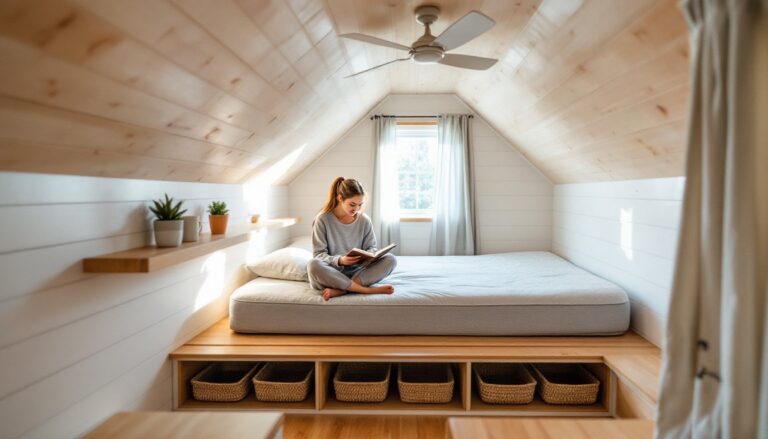
Sleeping lofts are the most common tiny house bedroom solution, typically built over the bathroom or kitchen. The minimum ceiling height for a loft is 3 feet, 6 inches (per IRC for habitable attics), but 4 feet is more comfortable for sitting up in bed. Frame the loft floor with 2×6 joists on 16-inch centers, and use ¾-inch tongue-and-groove plywood for a solid, squeak-free deck.
Loft railings are required by code if the loft is more than 30 inches above the floor below. Railings must be at least 36 inches high and have balusters spaced no more than 4 inches apart (to prevent a child from slipping through). Use steel cable railing or horizontal slats to maintain sightlines and avoid a caged-in feeling.
Ladder vs. stairs is a key decision. Ladders take up less space but are harder to climb at night or when carrying laundry. Stairs require about 24 to 30 inches of floor width and a run of at least 36 inches, but they’re safer and can double as storage (see the staircase storage section). Ship ladders, steep stairs at a 60- to 70-degree angle, split the difference.
Ground-floor bedrooms work better for families with young kids or anyone with mobility concerns. Use a Murphy bed or a platform bed with drawers underneath to maximize storage. Platform beds should sit at least 12 inches off the floor to fit standard storage drawers: go higher (18 to 24 inches) for deeper bins or suitcases.
Curtains or sliding doors provide privacy without the swing clearance of a hinged door. Barn-style sliding doors need a track mounted to a header or blocking between studs. Use soft-close hardware to prevent rattling. Homeowners considering house hacking strategies often rent out tiny homes as ADUs, and a private bedroom increases rental appeal.
Bathroom Design Tricks for Compact Spaces
Wet baths combine the shower and the entire bathroom into one waterproof space. The toilet and sink get wet during showers, but the layout saves 10 to 15 square feet compared to a separate shower stall. Use waterproof wall panels (fiberglass or PVC) instead of tile to reduce weight and installation time. Slope the floor ¼ inch per foot toward a center drain.
Corner sinks and wall-hung sinks free up floor space and make the room feel larger. Wall-hung sinks require solid blocking between the studs, install a 2×8 or 2×10 horizontal backer during framing. The sink should mount at 31 to 36 inches above the finished floor.
Composting toilets eliminate the need for a black water tank and reduce plumbing complexity. Models like the Nature’s Head or Separett require 12-volt ventilation fans and periodic emptying (every 4 to 6 weeks for two people). They’re not glamorous, but they work, and they’re legal in most areas if the house is off-grid or on a foundation.
Pocket doors save the 18 to 24 inches of swing clearance a standard door needs. Install a commercial-grade pocket door frame (not the flimsy residential kits) to avoid sagging and binding. The rough opening needs to be twice the door width plus 2 inches, so a 24-inch door requires a 50-inch-wide wall cavity.
Recessed shelving between studs (14½ inches wide for 2×4 walls, 22½ inches for 2×6 walls) provides storage for toiletries without protruding into the room. Line the recess with waterproof backer board if it’s inside the shower area. Many small bathroom designs draw from organizing strategies that emphasize decluttering and vertical storage.
Color, Lighting, and Decor to Make Your Tiny House Feel Bigger
Light colors on walls and ceilings reflect light and make spaces feel larger. White, pale gray, and soft beige are safe bets, but don’t be afraid of color, light blue, sage green, or blush pink work if they’re high on the value scale (pastel or tinted with white). Use the same color throughout to avoid visual breaks that shrink the space.
Gloss or satin finishes reflect more light than flat paint. Use satin or semi-gloss on walls and high-gloss or semi-gloss on trim. A gallon of quality interior paint covers about 350 to 400 square feet per coat: a typical tiny house interior needs 2 to 3 gallons total for two coats.
Windows and skylights are non-negotiable. Aim for window area equal to 8–10% of the floor area (so a 300-square-foot house should have 24 to 30 square feet of glazing). Skylights add light without sacrificing wall space for cabinets or shelving. Use fixed skylights (non-operable) unless ventilation is needed, they’re cheaper and less prone to leaks.
LED recessed lighting or track lighting keeps the ceiling clear and provides even illumination. Use 3-inch or 4-inch LED retrofit cans (about $15–$25 each) instead of traditional recessed housings to save ceiling depth. Plan for one fixture per 25 to 30 square feet. Add under-cabinet lighting in the kitchen and LED strip lights in lofts or closets.
Mirrors make small spaces feel larger by reflecting light and creating the illusion of depth. Hang a large mirror opposite a window to bounce natural light, or use mirrored closet doors. Avoid tiny, decorative mirrors, they fragment the space visually.
Minimal decor reduces visual clutter. Choose a few meaningful pieces, a single piece of art, a houseplant, a throw blanket, instead of crowding surfaces with knickknacks. Keep window treatments simple: roller shades or sheer curtains that let in light during the day. Tiny house interiors often follow principles seen in small apartment designs, where every item must justify its presence.
Conclusion
Tiny house interiors succeed when storage, furniture, and layout work as a system. Prioritize vertical space, choose furniture that multitasks, and design kitchens and bathrooms with clearances and codes in mind. Light, color, and smart lighting extend the space visually, while lofts and Murphy beds reclaim floor area. Build with intention, skip the décor filler, and the house will feel larger than its square footage.