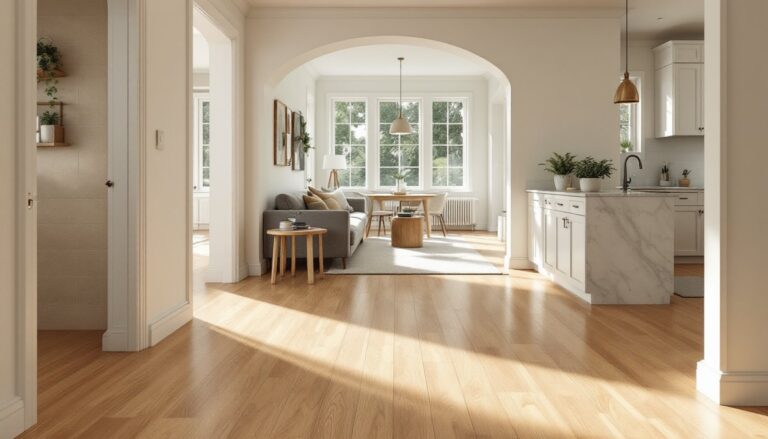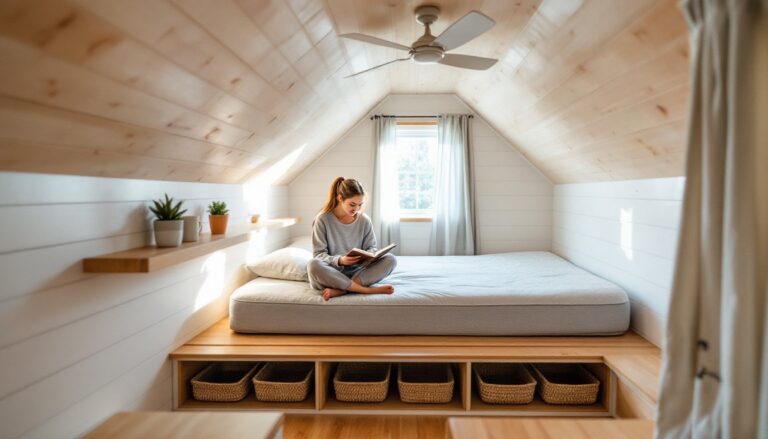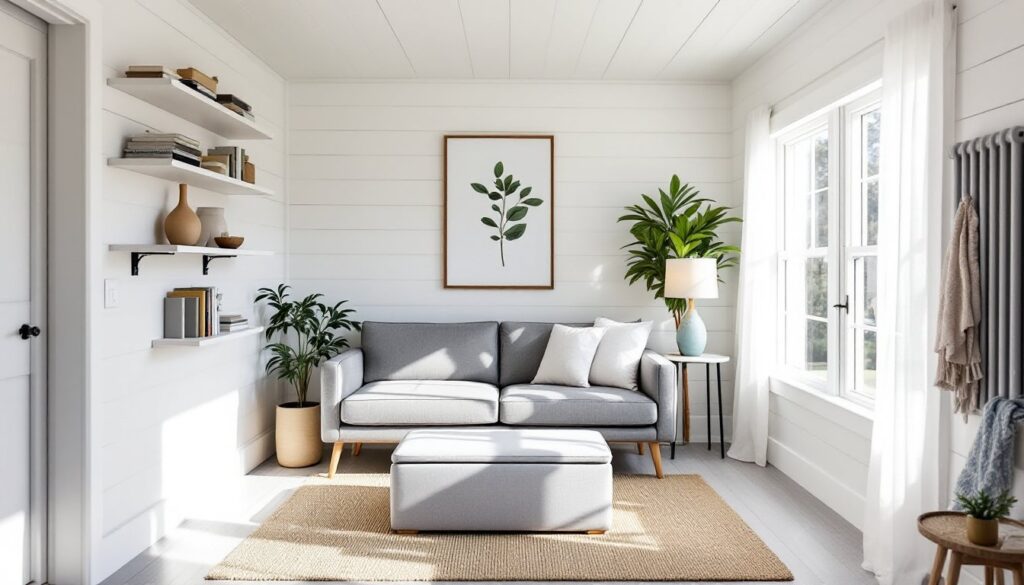
Living rooms in tiny houses demand strategic planning. Every square foot counts, and furniture placement, color choices, and storage solutions directly impact how the space functions. With the average tiny house measuring between 100 and 400 square feet total, the living area typically occupies just 50 to 100 square feet, roughly the size of a standard bedroom. This article covers practical design strategies that make small living rooms feel larger, work harder, and reflect personal style without visual clutter or wasted space.
Table of Contents
ToggleKey Takeaways
- Tiny house living room ideas prioritize multi-functional furniture like storage ottomans, sofa beds, and wall-mounted tables that serve multiple purposes while saving valuable floor space.
- Light colors, satin finishes, and layered lighting (overhead, task, and ambient) create the illusion of a larger room and eliminate visual weight in compact spaces.
- Vertical storage solutions such as floor-to-ceiling shelving, floating shelves, and pegboard walls maximize storage without expanding the room’s footprint.
- Float furniture 6–12 inches from walls and maintain clear traffic paths of 24–30 inches to avoid a cramped tunnel effect and improve perceived spaciousness.
- Curated decor with meaningful items, large-scale artwork, and strategic mirror placement add personality without visual clutter in tiny living rooms.
- Test furniture layouts with painter’s tape before moving pieces, and incorporate natural elements like plants and woven baskets to enhance the space intentionally.
Smart Furniture Choices for Compact Living Rooms
Furniture selection makes or breaks a tiny living room. Standard-sized sofas and bulky recliners consume floor space without adding function. Instead, prioritize pieces sized for the room’s actual dimensions and built to serve multiple purposes.
Measure the room before shopping. A 70-inch loveseat fits most tiny house living rooms better than an 84-inch full-size sofa. Look for pieces with exposed legs, furniture that sits directly on the floor creates visual weight, while 4-inch to 6-inch legs allow light to pass underneath, making the room feel more open.
Consider armless or low-arm seating. Traditional rolled arms add 6 to 8 inches per side, reducing usable seating width. A simple armless loveseat or settee with cushions provides the same comfort in a tighter footprint.
Wall-mounted side tables eliminate the need for floor-standing pieces. Floating shelves or fold-down tables bracketed to wall studs save 12 to 18 inches of floor space. Use #10 wood screws driven into studs rated for at least 50 pounds per bracket to safely support books, lamps, or drinks.
Multi-Functional Pieces That Work Double Duty
Multi-functional furniture reduces the need for multiple pieces. A storage ottoman serves as a coffee table, extra seating, and concealed storage for blankets or remotes. Look for models with removable tops and interior volumes of at least 4 cubic feet.
Sofa beds or futons convert living rooms into guest rooms without dedicating square footage to a separate bedroom. Modern mechanisms sleep more comfortably than older models. Test the mattress thickness, at least 5 inches of foam or innerspring prevents guests from feeling the frame.
Nesting tables stack when not in use and expand for entertaining. A set of three typically ranges from 12 to 18 inches wide, occupying minimal space when nested but offering multiple surfaces when spread out.
Murphy beds or wall beds work in combined living-sleeping spaces. These fold vertically into a cabinet when not in use, freeing up daytime floor space. Installation requires securing the unit to wall studs with lag bolts rated for the bed’s weight, typically 200 to 300 pounds. Many jurisdictions don’t require permits for non-structural furniture installation, but always verify local codes.
Color and Light Strategies to Expand Your Space
Color and lighting directly influence how large a room feels. Light colors reflect more light, making walls recede visually, while dark colors absorb light and make surfaces feel closer.
Paint walls, ceilings, and trim the same light color to blur boundaries and eliminate visual breaks. White, off-white, or pale gray are standard choices. Benjamin Moore’s “Chantilly Lace” or Sherwin-Williams’ “Alabaster” are popular whites with warm undertones that prevent a sterile look.
Use paint with a satin or eggshell finish (30 to 40 gloss units) rather than flat. Slight sheen reflects more light without the mirror-like effect of semi-gloss. One gallon covers approximately 350 to 400 square feet per coat: most tiny house living rooms require less than a gallon for two coats.
Avoid high-contrast accent walls in very small rooms. While accent walls add interest in larger spaces, they can chop up a tiny room visually. If color is desired, keep it to accessories or a single piece of furniture rather than a full wall.
Maximize natural light by keeping window treatments minimal. Sheer curtains or cellular shades (honeycomb blinds) provide privacy while allowing diffused light. Mount curtain rods close to the ceiling and extend them 4 to 6 inches beyond the window frame on each side to create the illusion of larger windows.
Layer artificial lighting with multiple sources. A single overhead fixture creates harsh shadows. Combine overhead lighting (60 to 75 watts equivalent LED), task lighting (desk or reading lamps), and ambient lighting (wall sconces or LED strips) to eliminate dark corners. LED strips mounted behind floating shelves or under furniture add indirect light and make the room feel more spacious.
Consider mirrors strategically placed opposite windows to reflect natural light deeper into the room. A 24-inch by 36-inch mirror provides enough reflective surface without overwhelming a small wall. Secure mirrors to wall studs using D-rings and picture wire rated for the mirror’s weight, typically 15 to 25 pounds for a medium-framed mirror.
Vertical Storage Solutions That Save Floor Space
In tiny houses, vertical storage reclaims floor space by using walls and height. Floor-to-ceiling solutions store more without expanding the room’s footprint, and integrating creative furniture hacks can maximize every inch.
Floor-to-ceiling shelving units make use of often-wasted upper wall space. Standard 8-foot ceilings in tiny houses allow for shelving up to 90 inches tall, providing significantly more storage than a typical 36-inch bookcase. Use 1-by-12 or 1-by-10 boards (actual dimensions 3/4 inch by 11-1/4 inches or 3/4 inch by 9-1/4 inches) supported by brackets every 24 to 32 inches to prevent sagging.
Mount shelves directly to wall studs (typically spaced 16 inches on center) using #10 wood screws at least 2-1/2 inches long. For walls without conveniently located studs, use toggle bolts rated for at least 50 pounds per anchor in 1/2-inch drywall.
Floating shelves keep the look minimal. These attach with hidden brackets or keyhole slots, creating the illusion that they’re suspended without support. Keep floating shelf depth between 8 and 10 inches, deeper shelves protrude too far in tight spaces.
Pegboard walls offer adaptable storage. A 4-foot by 8-foot sheet of 1/4-inch pegboard ($15 to $25) provides dozens of hook locations for hanging plants, baskets, or art. Many small space designs use pegboard as both storage and decor. Mount pegboard on 1-inch furring strips behind the panel to create space for hooks to fit through the holes.
Wall-mounted cabinets with doors hide visual clutter better than open shelves. Shallow cabinets (6 to 8 inches deep) work well above seating areas without crowding. Paint cabinets the same color as walls to make them visually recede.
Overhead storage in spaces with vaulted or lofted ceilings takes advantage of height. Install storage cubbies or baskets on upper walls for seasonal items or infrequently used belongings. Make sure the structure can support added weight, consult local building codes if adding substantial loads.
Layout and Traffic Flow Tips for Tiny Living Rooms
Furniture placement affects both function and perceived space. Poor layouts create bottlenecks and make rooms feel cramped even when they’re not.
Maintain clear traffic paths at least 24 to 30 inches wide. This allows people to move through the room without turning sideways or bumping into furniture. In a tiny house, the living room often serves as the main corridor to other areas, don’t block it.
Float furniture away from walls when possible. Pushing everything against the perimeter can actually make a room feel smaller by creating a tunnel effect. Placing a loveseat 6 to 12 inches from the wall creates depth and makes the space feel more intentional.
Define zones in open-plan layouts using rugs or furniture arrangement rather than walls. A 5-by-7-foot or 6-by-9-foot area rug anchors the seating area and visually separates it from the kitchen or sleeping loft. Make sure the rug is large enough for at least the front legs of all seating to rest on it, undersized rugs make furniture look disconnected.
Angle furniture slightly rather than placing every piece parallel to walls. A loveseat or chair set at a 15 to 30-degree angle softens rigid lines and can improve conversation flow. This works especially well in square rooms.
Keep sightlines open. Avoid placing tall furniture (bookcases, cabinets) directly in front of windows or in the middle of the room. Low-profile pieces (under 30 inches tall) preserve views and make the space feel larger.
Test layouts with painter’s tape on the floor before moving heavy furniture. Mark the footprint of each piece with tape to see how much space remains and whether the arrangement works functionally.
Decorating Tricks That Add Personality Without Clutter
Decorating a tiny living room requires restraint. Too many accessories create visual chaos, but too few make the space feel unfinished.
Use the “less is more” rule: Select a few meaningful or functional decor pieces rather than filling every surface. Three well-chosen items (a plant, a lamp, and a small sculpture) make more impact than a dozen generic tchotchkes.
Hang artwork higher to draw the eye upward and emphasize ceiling height. The center of artwork should sit at 57 to 60 inches from the floor, standard gallery height. In rooms with 8-foot ceilings, this creates the illusion of taller walls.
Large-scale art works better than small pieces in tiny rooms. One 24-by-36-inch print commands attention without the cluttered feeling of multiple small frames. Group smaller pieces in a tight grid rather than spreading them across a wall.
Incorporate plants to add life without taking up floor space. Wall-mounted planters, hanging plants, or a single floor plant in a 10-to-12-inch pot bring natural texture. Choose low-maintenance varieties like pothos, snake plants, or succulents if natural light is limited.
Limit throw pillows to two or three per seating piece. More than that eats into usable seating space. Choose pillows with texture or pattern rather than piling on multiple solid colors.
Use baskets for hidden storage that doubles as decor. Woven baskets tucked under side tables or on lower shelves corral remotes, magazines, and charging cables. Stick to natural materials like seagrass, rattan, or jute for a cohesive look.
Embrace negative space. Leaving some walls and surfaces empty gives the eye a place to rest and prevents the room from feeling overstuffed. Many DIY renovation projects demonstrate how intentional blank space enhances small rooms.
Rotate decor seasonally rather than displaying everything at once. Swap out throw blankets, pillow covers, or artwork every few months to keep the space feeling fresh without adding permanent clutter.
Conclusion
Tiny house living rooms thrive on intentional choices. Multi-functional furniture, light colors, vertical storage, smart layouts, and curated decor all contribute to spaces that feel larger and work harder. These strategies apply whether designing a new tiny house or reworking an existing small living room. Measure carefully, plan before buying, and prioritize function alongside style for a living room that truly fits the space.